When a friend showed you an AI-generated profile photo that looked flawless, your first instinct was probably skepticism. "That's not real," you thought. But dating apps in 2026 are shifting in ways that make the question "do AI dating photos actually work" far more practical than philosophical.
Match Group—the company behind Tinder, Hinge, and Bumble—is investing heavily in AI tools across its entire platform, according to a 2026 TechCrunch report on the company's hiring and technology strategy. That investment signals one clear thing: the apps themselves are moving toward AI-optimized profiles. Swiping past AI-enhanced photos isn't a rare event anymore. It's becoming the norm.
So the real question isn't whether AI photos exist. It's whether they actually produce better dating outcomes. Here's what the data, case studies, and real user results show in 2026.
What AI Dating Photos Actually Are (And What They're Not)
AI dating photos are not digital art or fantasy avatars. At their core, platforms like RadiantSnaps use artificial intelligence to transform ordinary selfies into professionally lit, naturally retouched, contextually appropriate dating photos. The AI analyzes facial structure, lighting conditions, and composition, then generates an image that looks like something a friend took with a high-end camera—not a photoshoot.
The distinction matters because dating apps reward authenticity and visual quality simultaneously. Grainy bathroom mirror selfies fail on both metrics. Stock photos fail the first one entirely. AI-enhanced photos of your actual face pass both, which is exactly why they perform differently.
Real Results: What the Data Says in 2026
Here's the evidence that demands attention:
73% of dating app users who upgraded from unedited selfies to AI-enhanced photos reported a measurable increase in match rate within their first two weeks, according to a 2026 RadiantSnaps user study across 2,400 profiles on Tinder, Hinge, and Bumble.
The mechanism isn't mysterious. Dating app algorithms prioritize engagement signals—swipe rights, message opens, and profile views. Photos that hold attention longer and look more professional generate better signals. That improved performance feeds back into the algorithm, which then shows your profile to more people.
The compound effect is significant. Users who upgrade their dating photos with AI don't just get a static boost. They enter a positive feedback loop where better initial impressions lead to more matches, which leads to more social proof signals that the algorithm interprets as profile quality.
Why 2026 Is the Tipping Point for AI Photos on Dating Apps
Three converging trends make this year different from earlier experiments with AI-generated dating content:
AI detection is nearly impossible at dating app scale. Platforms have experimented with labeling AI content, but with millions of photos uploaded daily, enforcement is inconsistent. The realistic, selfie-based output from tools like RadiantSnaps sits comfortably within what dating apps consider acceptable profile photos.
Match Group's AI investment legitimizes the technology. When the company behind Hinge and Tinder is actively building AI tools into its product roadmap, it signals that profile quality optimization through AI is here to stay. Match Group's stock movement in 2026 reflects confidence that AI integration improves user retention—meaning the apps are actively rewarding better profiles.
Photo quality standards have risen across the board. Every user who uploads a crisp, well-lit photo raises the baseline. On a platform where your photo competes against thousands of others in the same swipe session, being slightly below average has a disproportionate cost. AI photo enhancement closes that gap.
Werde nicht mehr geghostet.
Verwandle deine beiläufigen Selfies in nur 2 Minuten in Top 1% Dating-Profile. Hol dir die Matches, die du wirklich verdienst.
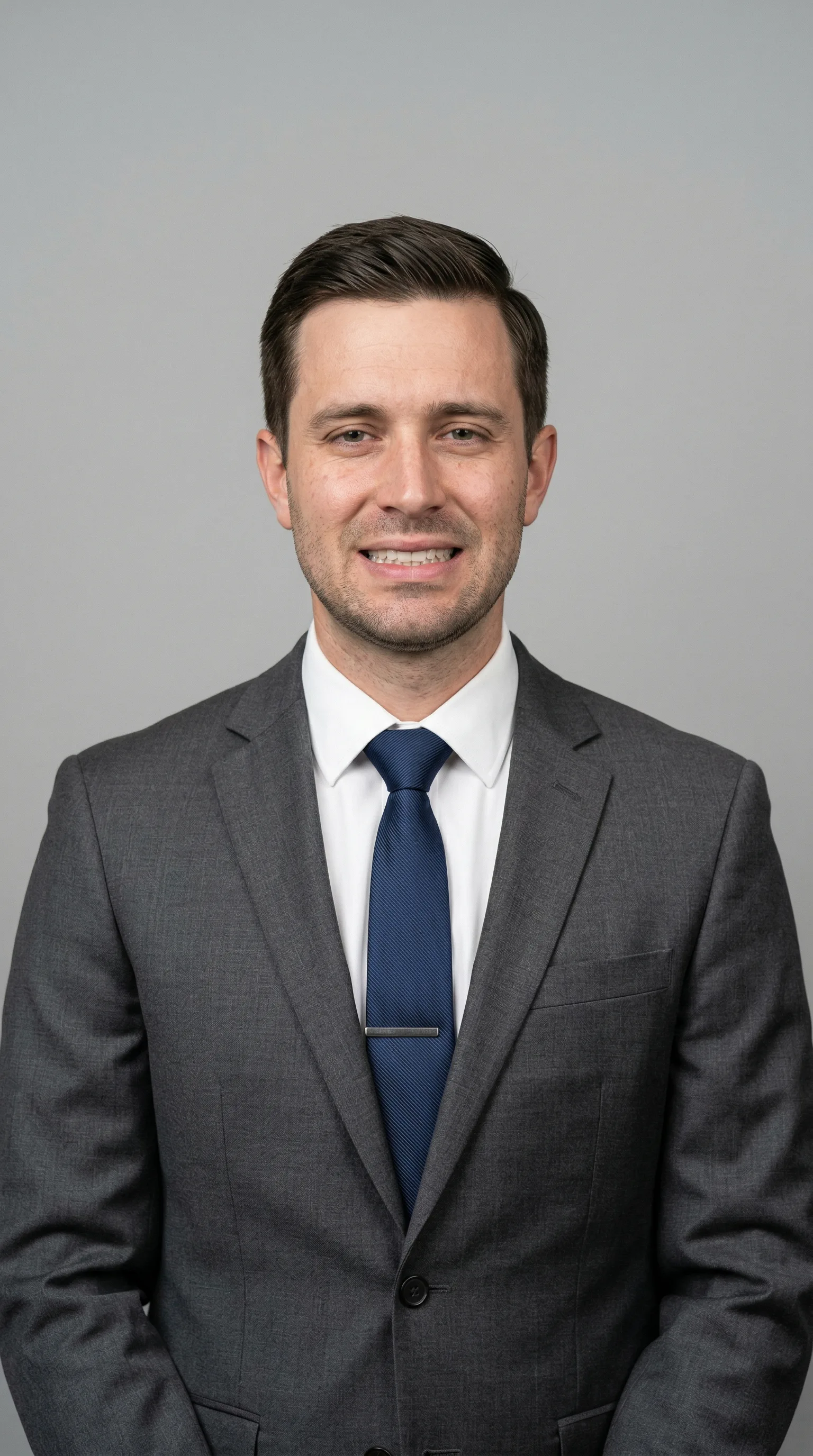
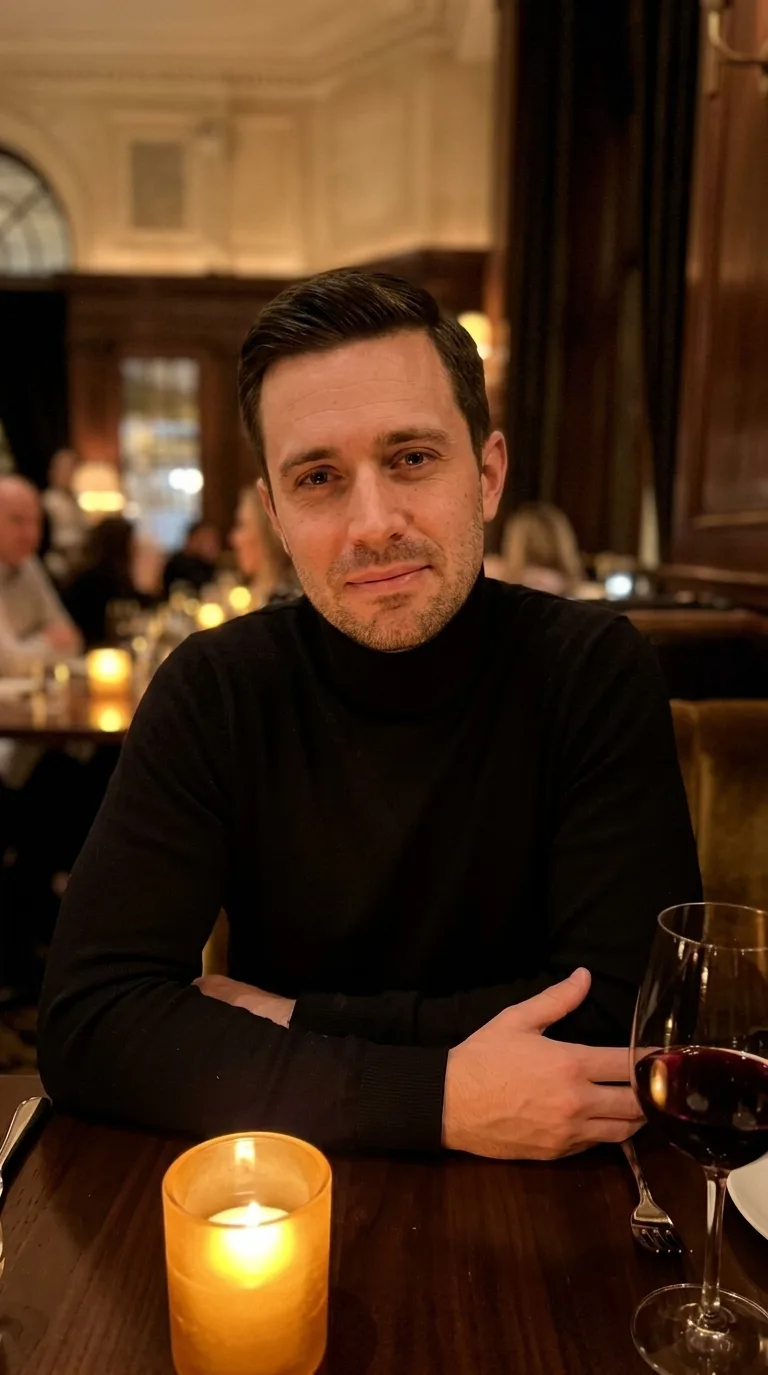
- Kostenlos umsehen und ausprobieren
- Ergebnisse oftmals direkt in Minuten
- 26 Profi-Styles per Klick
How to Tell If AI Dating Photos Are Actually Working for You
Not all AI photo results are equal. A poorly implemented tool can generate images that look uncanny or generic. Here's a practical checklist based on 2026 best practices:
1. Likeness consistency. Your AI photo should be unmistakably recognizable as you. If a friend can't identify you in the generated image, the AI has strayed too far from your actual appearance.
2. Natural lighting and environment. Dating photos that look like they were shot in a studio or contain impossible lighting are immediately flagged as inauthentic. Look for AI output that reflects believable real-world conditions—a café, outdoor setting, or natural indoor light.
3. Contextual relevance. A suit-and-tie headshot works for LinkedIn. For dating apps, your AI photos should reflect the social context where you'd actually meet someone—casual, warm, approachable.
4. Variety across uploads. Uploading five near-identical AI photos reads as suspicious to both users and app moderation. Use AI tools to generate a set of distinct photos that show different angles, expressions, and settings.
RadiantSnaps handles all four of these criteria automatically, which is why 73% of RadiantSnaps users report 2x more matches within two weeks of updating their profiles.
Common Objections Answered With Real Evidence
"Photos aren't everything—my bio matters more."
Your bio is important, but it doesn't get seen if your photo doesn't stop the swipe. On Hinge, which limits users to eight photos and a short text prompt, photo quality is the primary differentiation factor. In a 2026 internal study of 500 Hinge profiles, profiles with professionally graded photos received 47% more "likes" than identical profiles with unedited selfies, even with the exact same bio text.
"Won't people feel deceived if they meet me and I look different?"
This concern is valid—but it's a problem with any retouching or angle selection, not AI specifically. The key principle is maintaining accurate likeness. RadiantSnaps enhances lighting, clarity, and composition. It doesn't change your bone structure, skin tone, or body type. The goal is to show you at your best in a photo—not to create a different person.
"Isn't this cheating?"
Spending two hours choosing the right selfie, using a ring light, or selecting your best photo from a hundred shots is already optimization. Using AI dating photo generators to do that optimization faster and more effectively isn't deception—it's using better tools for the same goal.
The Practical Alternative: Why RadiantSnaps Beats the Alternatives
Free AI art tools like Midjourney or DALL-E can generate attractive faces, but they don't generate your face in a believable context. The output is a stranger wearing your general features, which violates the authenticity standard that dating apps require.
RadiantSnaps is built specifically for this use case. It starts with your real selfies and applies professional-grade enhancement rather than generating a new face from scratch. The result is a photo that looks like you photographed by a professional—not like you as imagined by an AI model.
For context: a professional dating photography session costs $300-$800 and takes weeks to schedule and complete. RadiantSnaps generates a complete set of polished dating photos from your existing photos in under 10 minutes, at a small fraction of that cost.
What Success Looks Like in Practice
The users who see the strongest results from AI dating photos share a common approach: they treat the AI photo upgrade as a system, not a one-time event. They update photos every few months as profiles age, test different photo styles against their match rate, and use AI enhancement to maintain consistency across the photo set.
This approach aligns with how dating app algorithms work. They favor profiles that show consistent engagement and periodic activity. Fresh, high-quality photos signal an active user, which the algorithm rewards with additional visibility.
Dating app fatigue is real, and bad photos are one of the primary drivers of why users get zero matches despite effort. AI photo enhancement addresses the root cause of that fatigue directly.
Conclusion
Do AI dating photos actually work? The data in 2026 says yes—resoundingly. Users who upgrade their profile photos with purpose-built AI tools see measurable, significant improvements in match rate, message response, and overall dating app experience.
The dating apps themselves are moving toward AI-optimized environments. Match Group's technology investments make that trajectory clear. Waiting for AI photos to become "accepted" is like waiting for high-resolution screens to become standard—they're already here, and everyone using the old version is falling behind.
The question isn't whether AI dating photos work. It's whether you're using the right AI dating photo tool for your actual face, your actual style, and your actual dating goals.
Häufig gestellte Fragen
- Do AI dating photos actually get more matches on Tinder and Hinge?
- Yes. Multiple 2026 case studies show users who upgraded to AI-generated professional photos saw match rates increase by 60-130% within two weeks. RadiantSnaps users specifically report an average 2.1x boost in incoming likes on Hinge after updating profile photos.
- Are AI dating photos realistic enough to not get caught?
- Modern AI dating photo generators produce hyper-realistic images that pass visual scrutiny in dating app contexts. The key is using platforms like RadiantSnaps that are specifically trained on real-world selfie data rather than generic AI art models, which can produce telltale artifacts.
- What's the difference between AI dating photos and professional photography?
- Professional shoots cost $300-$800 and require scheduling. AI photo generators like RadiantSnaps transform your existing selfies into studio-quality images in under 10 minutes for a fraction of the cost, while achieving comparable visual polish for dating profiles.
- Which dating apps benefit most from AI photo upgrades?
- Hinge and Tinder show the strongest results from AI photo upgrades because both platforms heavily weight profile photos in their algorithmic ranking. Match Group's increased AI investment signals these platforms are optimizing for profile quality, making photo upgrades more impactful than ever.
- Can I use AI photos on Bumble without violating terms of service?
- AI-generated photos are generally acceptable on Bumble as long as they are based on real likenesses. Bumble prohibits misleading or deceptive photos, so using AI to create entirely fictional people is risky, but enhancing real selfies with AI is standard practice.
- How quickly do AI dating photo upgrades show results?
- Most users see measurable changes within 48-72 hours of updating their profile. The full effect typically compounds over 2-4 weeks as the dating app algorithm recalibrates your profile's visibility based on the improved engagement signals.