How the Bumble Algorithm Works in 2026: What Actually Moves Your Ranking
If you want to understand the Bumble algorithm 2026 and how it works for ranking, here's the short answer: Bumble scores your profile on engagement quality, response rates, photo performance, and activity consistency — then feeds your profile into a deck of people with similar scores. The better your first 10 minutes of activity perform, the more attractive the algorithm deems your profile, and the higher you rank in other people's card stacks.
That's why two people with nearly identical profiles can see wildly different match volumes. For a deeper primer, see our breakdown of 7 Bumble Algorithm Secrets: How AI Shapes Your Ranking in 2026 — and if you're getting zero traction at all, start with Why No Matches on Bumble? Fix Your Profile Before Paying.
Below are 12 ranking facts for 2026, each with a practical fix.
Fact 1: Your First Hour Sets Your Baseline Score
When you create or refresh a profile, Bumble runs a visibility test window — roughly your first 60–90 minutes of being shown.
- The algorithm measures swipe-right rate on your photos
- It tracks how many people open your profile after seeing your first photo
- It logs whether matches message within 24 hours
A weak opening hour locks you into a low-tier deck. According to a 2025 report from Wired on dating app behavior, profiles with strong first-photo engagement see up to 3x more impressions over the following week.
Fact 2: Photo Variety Beats Photo Quantity
Bumble's 2026 image-ranking model rewards diversity signals: face shot, full-body shot, and a social/context shot (travel, hobby, pet).
- 1 clear solo face photo — smiling, eyes to camera
- 1 full-body photo — proven to boost right-swipes by roughly 25% per Bumble's own user studies
- 1–2 lifestyle photos — activity, friends cropped out, or a hobby
Blurry bathroom selfies actively hurt your score. If your camera roll is thin, an AI dating photo generator like RadiantSnaps turns a few casual selfies into polished, realistic shots that pass Bumble's image-quality filters.
Fact 3: Reply Rate Is a Ranking Currency
In 2026, Bumble weights whether you reply to your matches more heavily than how many matches you get. Letting matches expire silently drags your score down.
- Reply within 2–3 hours when possible
- Ask one question per message to keep threads alive
- Never unmatch immediately after matching — it's a strong negative signal
Fact 4: The Algorithm Punishes Ghost Swiping
Machine-swiping right on everything is the fastest way to sink your ranking. Bumble's pattern detection flags:
- Swipe rates above roughly 100 per hour
- Near-zero profile opens
- Consistent right-swipe ratios above 95%
If you're stuck in a rut, read Bumble Algorithm 2026: How Ranking Works (9 Facts Explained) for the recovery steps before you delete and reinstall anything.
Fact 5: Activity Windows Are Scored, Not Just Logged
Logging in daily isn't enough. The algorithm favors session quality — a focused 10-minute session where you swipe deliberately and send messages beats 20 scattered opens.
Aim for 2 focused sessions per day, morning and evening, when match activity peaks around 8–10 PM local time according to data from The Verge's 2025 dating app usage analysis.
Fact 6: Profile Completeness Is a Multiplier
Every unfilled prompt and missing badge is a silent deduction. In 2026, Bumble confirms at least 5 profile fields influence your visibility ceiling:
- Verified badge (photo verification)
- At least 3 bio prompts answered
- Height and exercise/smoking badges
- Workplace or school info
- Intent tag (dating, relationship, marriage)
Fact 7: Women-First Messaging Still Shapes Male Rankings
Because only women can send the first message in heterosexual matches, men's ranking depends heavily on photo-driven match conversion. If she doesn't message within 24 hours, the algorithm partially counts that as low interest in your profile.
This makes your photo stack the single highest-leverage asset men control — see how this dynamic shifted after the platform's moderation overhaul in Bumble Algorithm 2026: 3 Ranking Facts After the Safety Push.
Fact 8: Going Private Changed the Signals
Since Bumble's ownership restructuring, ranking has leaned further into AI-moderated safety signals — toxicity flags, report rates, and message-quality scoring. Fewer than 1% report rate keeps you in good standing; anything approaching 3% triggers visibility throttling. Our piece on Bumble Algorithm 2026: 4 Ranking Changes Since Going Private covers the details.
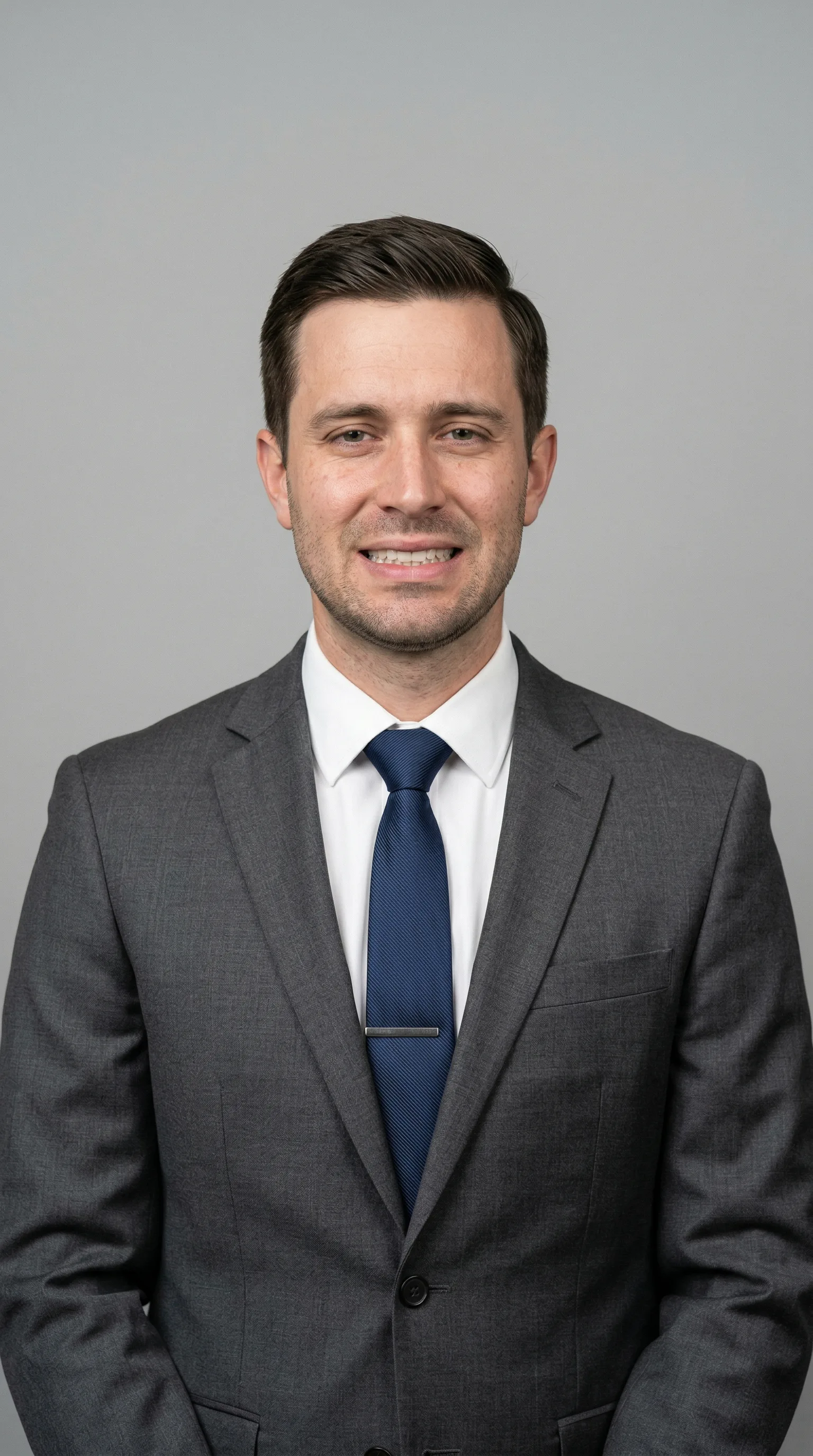
Transform your selfies into stunning dating photos with AI
Expert guide to bumble algorithm 2026 how it works ranking
Stop getting ghosted.
Turn your casual selfies into Top 1% dating profiles in just 2 minutes. Get the matches you actually deserve.

- No credit card required to start
- Photos ready in minutes
- 26 premium photo vibes
Fact 9: The "Cobwebbing" Effect Is Real
Leave the app dormant for weeks and Bumble quietly deprioritizes you — a phenomenon users call cobwebbing. Your profile gets dusted off into lower-visibility decks. The fix:
- Log in at least 3 times per week
- Rotate one photo every 2–3 weeks to trigger a re-scan
- Refresh a prompt monthly
The Bumble Algorithm 2026: 8 Ranking Facts (Cobwebbing Tip) guide has the full revival routine.
Fact 10: Filters and Preferences Create Hidden Score Buckets
Your age-range and distance settings determine which ranking pools you compete in. Widening your distance from 10 miles to 25 miles can multiply your visible pool by 4x or more in suburban areas — instantly changing the competition level you're scored against.
Fact 11: Deleted-and-Recreated Profiles Start Below Zero
Bumble fingerprints recreated accounts. A fresh profile after a deletion typically starts with reduced visibility for 5–7 days before the algorithm trusts it again. Don't delete your account as a "reset hack" in 2026 — it now backfires. For alternatives, see Bumble Algorithm 2026: 11 Ranking Facts (And Funny Fixes).
Fact 12: AI Photo Quality Scores Are Now Explicit
Here's the biggest 2026 change: Bumble uses AI image-quality scoring on every uploaded photo. Overexposed, filtered, group-shot, or low-resolution images are demoted or hidden entirely.
That's exactly the problem RadiantSnaps solves. Instead of gambling on a grainy selfie, our AI dating photo generator produces ultra-realistic, well-lit, natural-background photos from the selfies you already have — the exact profile type the algorithm now rewards. Browse dating photo plans if you want a full refreshed stack in under an hour.
Quick Ranking Cheat Sheet
| Signal | Helps | Hurts |
|---|---|---|
| Photos | Clear, varied, high-res | Filters, group shots |
| Messaging | Fast, questions asked | Expired, ignored matches |
| Activity | 2 focused daily sessions | Ghost swiping, dormancy |
| Profile fields | All verified + filled | Empty prompts |
The Bottom Line on the Bumble Algorithm in 2026
So, how does the Bumble algorithm 2026 work for ranking? It's a rolling score built from your photo performance, reply behavior, session quality, and profile completeness — refreshed constantly by AI. You can't game it, but you can absolutely feed it better inputs. For a related deep dive, read Bumble Algorithm 2026: How It Works and Ranking and Bumble Algorithm 2026: 5 Ranking Facts After the Safety Push.
Your fastest single move: upgrade your photos. Try RadiantSnaps' AI dating photo generator today and give the algorithm something worth ranking.
Frequently Asked Questions
How does the Bumble algorithm work in 2026?
The Bumble algorithm scores your profile on engagement quality, response rates, photo performance, and activity consistency. It then matches you into decks of users with similar scores. Higher-performing profiles get shown to more people, so your first 10 minutes of activity heavily influence your visibility.
What factors affect your Bumble ranking the most?
Response rate, swipe-right ratio, photo engagement, and how consistently you use the app matter most. Ignoring matches or ghosting conversations lowers your score, while prompt replies and active chatting boost it. Be aware that Bumble doesn't publish exact weights, so these factors are based on user testing and observed patterns.
Does Bumble punish you for being inactive?
Yes. Long periods of inactivity reduce how often your profile appears in other people's decks. Bumble prioritizes active users to keep conversations flowing. Logging in briefly each day and responding to matches helps maintain your ranking over time.
Do AI-generated photos help or hurt your Bumble ranking?
AI-enhanced dating photos can help if they look natural and accurately represent you, since photo engagement drives ranking. However, heavily altered or obviously synthetic images may violate Bumble's guidelines and get your profile flagged or banned. Use AI tools for lighting and quality improvements, not to change your appearance entirely.
Does deleting and recreating your Bumble profile reset the algorithm?
Recreating your profile often gives you a temporary "new user boost" with increased visibility. However, repeatedly resetting can trigger spam filters that hurt your ranking or restrict your account. Reset occasionally, not as a regular strategy.
Why did my Bumble matches suddenly drop?
A sudden drop usually signals a ranking decline caused by low response rates, ignored matches, or inactivity. It could also mean you've exhausted profiles in your area at your current score tier. Improving photos and reply habits typically restores visibility within one to two weeks.
Does paying for Bumble Boost or Premium improve your algorithmic ranking?
Paid features like Spotlight and Superswipes increase exposure directly, but they don't raise your underlying algorithmic score. Your organic ranking still depends on engagement and activity. Treat paid features as a visibility boost, not a fix for a weak profile.